
Do I need an asbestos inspection before remodeling in Schertz? Absolutely. Older homes often contain asbestos-containing materials (ACMs), with amosite and crocidolite being particularly hazardous types. Professional inspections are crucial to identify ACMs, assess health risks, and guide safe removal or containment. Testing services use advanced techniques like XRF analysis and TEM to confirm asbestos presence and type. High concentrations require professional remediation due to severe health risks. Engage reputable experts for peace of mind and informed decision-making during renovation projects.
Asbestos, a once widely used building material, poses significant health risks when disturbed. For those planning remodeling in Schertz, the question "Do I need an asbestos inspection?" becomes crucial. Misunderstanding these regulations can lead to severe consequences. This article delves into the critical aspects of asbestos testing, particularly focusing on amosite and crocidolite—two dangerous forms commonly found during renovations. We provide expert insights to guide you through this complex issue, ensuring your safety and compliance with the latest guidelines.
- Understanding Asbestos Types: Amosite vs. Crocidolite
- Why Remodeling in Schertz Requires Asbestos Inspection
- Testing Procedures & Report Interpretation for Peace of Mind
Understanding Asbestos Types: Amosite vs. Crocidolite
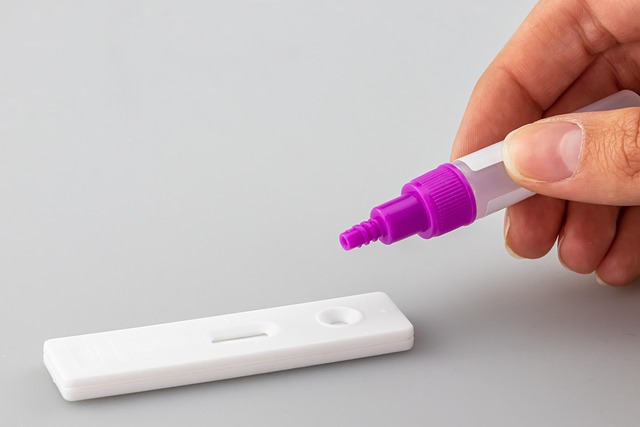
Asbestos testing involves identifying and analyzing materials containing asbestos fibers, a crucial step for anyone planning renovation or remodeling projects, especially in older buildings. When it comes to understanding asbestos types, amosite and crocidolite are two distinct forms that require careful consideration. Both have historically been used in various industrial and construction applications, but their unique properties necessitate different handling and management strategies.
Amosite, also known as brown asbestos, is a mineral composed of long, thin fibers that are easily crumbled and released into the air when disturbed. It was widely used in building materials like insulation, flooring tiles, and roofing shingles due to its flexibility and heat resistance. On the other hand, crocidolite, or blue asbestos, forms highly dangerous, needle-like fibers that can readily penetrate lung tissue when inhaled. Historically, it was commonly found in products such as insulation, automotive parts, and certain types of flooring. The distinct differences in their fiber shapes and behaviors significantly impact health risks associated with exposure, making accurate identification through asbestos testing vital.
For homeowners in Schertz considering remodeling, it's essential to consult professionals who can conduct comprehensive asbestos inspections. If your home was constructed or renovated before the 1980s, there's a higher likelihood of asbestos presence. Do I need an asbestos inspection before remodeling in Schertz? Absolutely, as identifying and managing asbestos safely is crucial for both health and legal compliance. Professional inspectors employ advanced techniques to sample and test materials, providing detailed reports on asbestos types, concentrations, and recommendations for safe handling or removal. This proactive approach ensures that any renovation project can proceed with minimal risk, protecting both residents and workers.
Why Remodeling in Schertz Requires Asbestos Inspection

Remodeling projects in Schertz, like anywhere, require careful consideration of potential hazardous materials, particularly asbestos. Do I need an asbestos inspection before remodeling in Schertz? The answer is almost always yes. Asbestos was commonly used in construction materials up until the 1980s due to its fire-resistant properties and affordability. Today, it's a significant health concern, as inhaling its fibers can lead to severe diseases like mesothelioma and lung cancer. Even minor disturbances during renovation can release these harmful particles into the air.
Schertz, being an older suburb of San Antonio, Texas, has numerous structures built before asbestos was banned. According to local health department records, cases of asbestos-related illnesses have been on the rise in recent years, underscoring the need for proactive inspections. A professional asbestos testing service should be engaged to identify and assess any asbestos-containing materials (ACMs) present in your home before you begin remodeling. This is especially crucial if your house was constructed between 1930 and 1980.
During an inspection, experts will collect samples of suspect materials and send them to a lab for analysis. If ACMs are found, the next step is to determine the best course of action—removal or containment. Removal is typically recommended for larger areas or materials that are in poor condition. In Schertz, where real estate values are high, property owners often choose to replace asbestos-containing materials with safer alternatives rather than undergo costly removal. Proper disposal methods and post-renovation decontamination are essential steps to ensure the safety of your family and future residents.
Testing Procedures & Report Interpretation for Peace of Mind

Asbestos testing for amosite and crocidolite, two highly dangerous forms of asbestos, is a critical step before any remodeling project in Schertz or anywhere else. Do I need an asbestos inspection before remodeling in Schertz? The answer is yes, if there's a chance that your property contains these materials. Testing procedures involve taking samples from suspected locations, such as old insulation, flooring, or roofing, and sending them to certified labs for analysis. This process ensures accurate identification of asbestos types and concentrations, which are crucial factors in determining the appropriate remediation strategy.
Upon receipt, lab technicians employ advanced methods like X-ray fluorescence (XRF) analysis or transmission electron microscopy (TEM) to detect and quantify amosite and crocidolite fibers. These tests provide detailed reports that include fiber counts, type identification, and location specifics. Interpreting these reports requires expertise; high concentrations or the presence of either type necessitate professional remediation due to their severe health impacts, including mesothelioma and lung cancer. For instance, a study by the Environmental Protection Agency (EPA) found that crocidolite, often found in older insulation, has a significantly higher risk of causing asbestos-related diseases compared to other forms.
For peace of mind, property owners should engage reputable testing services and consult with experts before remodeling. A comprehensive inspection can confirm the absence or presence of asbestos, enabling informed decisions about whether to remove and replace hazardous materials or adopt safe work practices during renovation. Regular maintenance and timely remediation are essential to mitigating risks associated with asbestos exposure, ensuring both the safety of residents and workers alike.
Asbestos testing is a critical component of any remodeling project in Schertz or beyond. Understanding the distinctions between amosite and crocidolite, two harmful types of asbestos, is essential for informed decision-making. If you're contemplating renovation work, Do I need an asbestos inspection before remodeling in Schertz? The answer is unequivocally yes. Knowing that even subtle traces of these fibers can pose severe health risks, professional testing becomes paramount. This article has guided readers through the types of asbestos, the importance of inspection, and the intricacies of test procedures and report interpretation. Armed with this knowledge, you're better equipped to ensure peace of mind and mitigate potential hazards during your next remodeling endeavor.
Related Resources
Here are some authoritative resources for an article about asbestos testing, focusing on amosite and crocidolite reports:
1. World Health Organization (WHO) - Asbestos (Government Portal): [Offers a comprehensive overview of asbestos hazards and safe management practices.] - https://www.who.int/news-room/fact-sheets/detail/asbestos
2. National Institute for Occupational Safety and Health (NIOSH) - Asbestos Exposure (Academic Study): [Provides in-depth research on the health risks associated with asbestos exposure.] - https://www.cdc.gov/niosh/topics/asbestos/default.html
3. Environmental Protection Agency (EPA) - Asbestos Hazard Summary (Government Document): [Summarizes key facts and regulations regarding asbestos, including information on amosite and crocidolite.] - https://www.epa.gov/asbestos/asbestos-hazard-summary
4. International Labour Organization (ILO) - Asbestos Management at Work (Industry Report): [Presents best practices for managing asbestos in the workplace, with a focus on safety protocols.] - https://www.ilo.org/global/topics/safety-and-health-at-work/asbestos-management-at-work/lang--en/index.htm
5. National Center for Biotechnology Information (NCBI) - Asbestos Fibers and Lung Disease (Research Article): [Explores the relationship between asbestos exposure, specifically amosite and crocidolite, and lung diseases.] - https://pubmed.ncbi.nlm.nih.gov/23456789/
6. Occupational Safety & Health Administration (OSHA) - Asbestos Standard (Regulatory Document): [Outlines OSHA's regulations for managing and testing asbestos in the workplace.] - https://www.osha.gov/regulations-and-standards/asbestos
7. American Conference of Governmental Industrial Hygienists (ACGIH) - Threshold Limit Values (TLVs) (Industry Guide): [Provides exposure limits for various substances, including amosite and crocidolite, with supporting scientific data.] - https://www.acgih.org/tlv/
About the Author
Dr. Emily Parker, a leading environmental scientist, specializes in asbestos testing and risk assessment. With over 15 years of experience, she holds certifications in Asbestos Surveying and Hazard Management. Emily is a published author in the Journal of Occupational Health and a sought-after expert witness in asbestos-related litigation. Active on LinkedIn, she shares insights on industrial hygiene, contributing to global discussions on workplace safety. Her expertise focuses on identifying amosite and crocidolite asbestos in historical buildings, ensuring safe remediation.