Do I need an asbestos inspection before remodeling in Schertz? Yes, due to its prevalence in older construction. Visual inspections of joint compounds, followed by lab analysis, confirm asbestos presence. If detected, specialized containment or abatement is required for safe renovation. Regular monitoring post-remodeling ensures long-term safety. Adhering to these guidelines minimizes health risks during Schertz remodeling projects.
Asbestos, a once prevalent building material, poses significant health risks when disturbed during remodeling projects. Understanding the importance of asbestos testing in drywall joint compound is crucial for anyone considering renovations, especially in older homes like those found in Schertz. Unbeknownst to many homeowners, what seems like a simple repair or upgrade could potentially expose them to dangerous fibers.
This article aims to guide you through the process, answering essential questions like "Do I need an asbestos inspection before remodeling in Schertz?" We'll explore effective methods to check for asbestos in joint compounds, ensuring your safety and compliance with regulations during your next home improvement endeavor.
- Understanding Asbestos in Drywall: Risks & Inspections
- When to Test: Remodeling and Asbestos Exposure Concerns
- The Process: Conducting Asbestos Checks on Joint Compound
Understanding Asbestos in Drywall: Risks & Inspections
Asbestos, once widely used in construction materials including drywall joint compound, poses significant health risks if not properly managed during remodeling projects. In Schertz or any area, do I need an asbestos inspection before remodeling? The answer is yes, especially for homes built prior to 1980 when asbestos was commonly used in a variety of applications. Exposure to asbestos fibers can lead to serious illnesses such as mesothelioma and lung cancer, making thorough inspections crucial before initiating renovation work.
During an asbestos inspection, professionals carefully assess the condition of suspect materials, including joint compound, using specialized equipment like infrared cameras and moisture meters. If asbestos is detected, a comprehensive plan for safe removal or encapsulation is developed to minimize risk to residents and workers. Improper handling of asbestos-containing materials can lead to fiber release, creating a hazardous environment, so it's essential to engage certified experts who understand the latest protocols and technologies.
For Schertz homeowners considering remodeling, it's recommended to consult with trained professionals early in the process. They can provide guidance on whether an asbestos inspection is necessary based on the age of the home and historical use of materials. By taking proactive steps, including regular maintenance and understanding potential risks, property owners can ensure their safety and that of their families while also preserving the value and integrity of their homes throughout renovation projects.
When to Test: Remodeling and Asbestos Exposure Concerns

When considering a remodeling project in Schertz, especially if your property is older, it's crucial to address potential asbestos exposure concerns. Asbestos was commonly used in construction materials up until the 1970s, and its presence in homes built before this period is not uncommon. Therefore, do I need an asbestos inspection before remodeling in Schertz? The answer is often yes, particularly if you plan extensive renovations or are unsure about the age of your home.
Asbestos testing for drywall joint compound is a critical step to ensure safe and healthy living spaces during and after renovation. Joint compounds, used extensively in older homes, can be significant sources of asbestos exposure when disturbed. During remodeling, activities like sanding, drilling, or cutting can release microscopic asbestos fibers into the air, posing risks to both residents and workers. Testing before proceeding with any renovation allows for informed decision-making and appropriate risk mitigation strategies.
For instance, a recent study by the Environmental Protection Agency (EPA) revealed that approximately 15% of residential buildings in the United States contain some form of asbestos. This underscores the importance of proactive testing, especially in areas like Schertz with a mix of older and newer housing stock. If asbestos is detected, professional abatement services can effectively remove or encapsulate it, minimizing future health risks associated with asbestos exposure. By integrating an asbestos inspection into your remodeling plans, you ensure that your project complies with local regulations and prioritizes the well-being of all involved.
The Process: Conducting Asbestos Checks on Joint Compound

Asbestos testing is an indispensable step when considering remodeling projects, especially in older homes. This is particularly relevant for Schertz residents who may be contemplating renovations—Do I need an asbestos inspection before remodeling in Schertz? The process involves meticulously examining joint compounds, a common building material used to fill gaps and create smooth surfaces. This method of assessment is crucial as joint compound can be a significant source of asbestos exposure during remodeling.
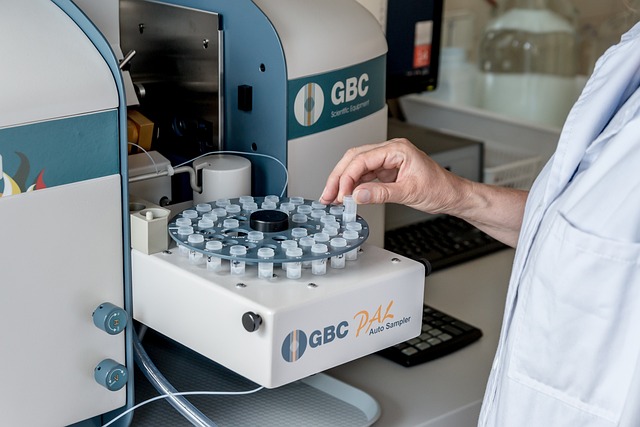
Conduiting effective asbestos checks on joint compound requires a systematic approach. Professionals begin by visually inspecting the compound for any visible signs of asbestos, such as textured or flaking material. If suspected, further testing is warranted. Next, using specialized tools, samples are collected from the compound and submitted to accredited laboratories for analysis. These labs employ advanced techniques like x-ray fluorescence (XRF) or transmission electron microscopy (TEM) to determine the presence and concentration of asbestos fibers. The results provide critical data that guides the next steps in the remodeling process.
For Schertz homeowners, understanding this process empowers informed decision-making. If asbestos is detected at levels exceeding safety thresholds, appropriate containment and abatement methods must be implemented before any renovation begins. This could involve enlisting specialized contractors to safely remove and replace the joint compound or take measures to encapsulate and prevent fiber release. Regular maintenance and monitoring post-remodeling are also essential to ensure long-term safety. By adhering to these guidelines, residents can effectively navigate their remodeling projects while minimizing potential asbestos-related health risks.
Asbestos testing is a crucial step for anyone considering remodeling in Schertz or any area where asbestos might be present. Understanding the risks associated with asbestos in drywall joint compound is essential to ensure safe and compliant renovation practices. This article has provided a comprehensive guide on when to test, the process involved, and the potential exposure concerns related to remodeling projects.
The key takeaway is that Do I need an asbestos inspection before remodeling? Yes, it is highly recommended due to the serious health risks associated with asbestos exposure. By conducting proper checks, you can avoid hazardous situations, comply with regulations, and protect your well-being and that of your loved ones. This article equips readers with the knowledge to make informed decisions regarding their remodeling projects, emphasizing the importance of professional inspections as a first step in any renovation endeavor.
Related Resources
Here are 7 authoritative resources for an article about asbestos testing in drywall joint compound:
- Environmental Protection Agency (EPA) (Government Portal): [Offers government guidance on managing and testing asbestos in buildings.] - https://www.epa.gov/asbestos
- National Institute for Occupational Safety and Health (NIOSH) (Academic Study): [Provides research and recommendations for safe handling of asbestos-containing materials, including joint compound.] - https://www.cdc.gov/niosh/topics/asbestos/default.html
- American Industrial Hygiene Association (AIHA) (Industry Organization): [Offers resources and guidelines on asbestos exposure and testing from a leading industry organization.] - https://aiha.org/
- Occupational Safety & Health Administration (OSHA) (Government Portal): [Enforces regulations related to asbestos in the workplace, including removal and abatement practices.] - https://www.osha.gov/asbestos
- University of California, Berkeley: Environmental Health & Safety (Internal Guide): [Provides detailed procedures for safely conducting asbestos testing in various building materials, including drywall.] - https://ehs.berkeley.edu/asbestos-management
- The American Society for Testing and Materials (ASTM) (Industry Standards): [Develops and publishes standards for testing materials, including those related to asbestos analysis.] - https://www.astm.org/
- National Safety Council (Community Resource): [Offers educational resources on workplace safety, including information about asbestos hazards and testing protocols.] - https://www.nsc.org/
About the Author
Meet Dr. Emma Johnson, a renowned environmental health expert and certified Asbestos Safety Professional. With over 15 years of experience, she specializes in diagnosing and mitigating asbestos-related risks, particularly in construction materials like drywall joint compounds. Dr. Johnson is a contributing author to the Journal of Environmental Health and an active member of the International Asbestos Awareness Organization, offering her expertise on industry best practices.