
Do I need an asbestos inspection before remodeling in Schertz? The answer is a decisive yes. Asbestos, common in homes built before 1980, poses severe health risks when disturbed. Testing by certified labs identifies its presence and concentration, crucial for legal compliance and safe renovation. Early detection allows for informed decision-making regarding abatement, with professionals guiding the process to minimize exposure hazards.
Asbestos, a once widely used building material, poses significant health risks when disturbed during remodeling or renovation projects. Understanding the necessity of asbestos testing before beginning such endeavors is paramount, especially in areas like Schertz where older homes are prevalent. Do I need an asbestos inspection before remodeling in Schertz? This question is at the forefront of many property owners' minds. With proper knowledge and expert analysis, homeowners can ensure their safety and make informed decisions regarding their properties. Our article delves into the intricacies of asbestos testing, providing a comprehensive guide for those navigating this crucial aspect of home improvement.
- Understanding Asbestos in Insulation: Risks & Regulations
- When to Conduct Asbestos Inspections in Schertz
- Lab Analysis for Safe Remodeling: Identifying Asbestos Presence
Understanding Asbestos in Insulation: Risks & Regulations

Asbestos, once widely used for insulation due to its fire-resistant properties, poses significant health risks when disturbed or removed. In Schertz or any urban area, understanding asbestos in insulation is crucial before remodeling projects, as it can lead to severe consequences if not handled properly. According to the Environmental Protection Agency (EPA), asbestos exposure is linked to mesothelioma, lung cancer, and asbestosis, making it a critical concern for both residents and professionals alike.
Do I need an asbestos inspection before remodeling in Schertz? The answer is typically yes. Many older homes and buildings may contain asbestos insulation, especially those constructed between the 1940s and 1970s. When remodeling or renovating, testing is essential to avoid accidental exposure during demolition, drilling, or cutting processes. A professional asbestos analysis lab will employ techniques like phase contrast microscopy and X-ray fluorescence spectroscopy to determine asbestos presence and concentration. These methods ensure accurate identification, allowing for informed decision-making regarding safe removal or encapsulation.
Regulatory bodies have implemented guidelines to mitigate asbestos risks during remodeling activities. For instance, the EPA requires notification and adherence to strict protocols when asbestos is disturbed. In Texas, the Occupational Safety and Health Administration (OSHA) provides standards for construction workers' protection. Homeowners should consult these regulations and consider engaging licensed professionals who are trained in safe handling practices. Regular inspections before and during renovation projects can help maintain a healthy environment and ensure compliance with legal obligations.
By prioritizing asbestos testing, homeowners in Schertz can safeguard their health and that of their families while remodeling. It empowers them to make informed choices, ensuring the project's safety and efficiency. Moreover, understanding local regulations and collaborating with qualified experts fosters a culture of responsibility, contributing to a safer community overall.
When to Conduct Asbestos Inspections in Schertz
In Schertz, conducting asbestos inspections is a crucial step before any remodeling or renovation project. Asbestos, once widely used for its insulating properties, can pose significant health risks if disturbed. The Environmental Protection Agency (EPA) estimates that up to 75% of homes built before 1980 contain some form of asbestos, making it essential for homeowners and contractors alike to be aware of potential hazards. Do I need an asbestos inspection before remodeling in Schertz? Absolutely, especially when dealing with older properties.
Regular inspections are particularly vital for those planning significant renovations or structural changes. For instance, removing old insulation, tearing down walls, or replacing floors can all potentially release asbestos fibers into the air, posing risks to residents and workers. A comprehensive analysis by certified labs is necessary to identify and quantify asbestos levels, ensuring that any renovation project is conducted safely and in compliance with local regulations. In Texas, for example, homeowners must follow guidelines set by the Department of State Health Services to ensure proper handling and disposal of asbestos materials.
Additionally, knowing the presence and extent of asbestos can significantly impact a remodeling project's scope and budget. Asbestos abatement costs can vary widely depending on the level of contamination and the type of work required. Early detection allows for better planning and budgeting, preventing unforeseen expenses during renovation. Therefore, before diving into any remodeling in Schertz, it is prudent to consult with trained professionals who can conduct thorough asbestos inspections and offer expert advice tailored to each unique situation.
Lab Analysis for Safe Remodeling: Identifying Asbestos Presence

Asbestos testing is an indispensable step before remodeling, especially in older homes where asbestos-containing materials (ACMs) are prevalent. In Schertz or any historic neighborhood, do I need an asbestos inspection before remodeling? The answer is a resounding yes. According to the Environmental Protection Agency (EPA), exposure to asbestos can lead to severe health issues, including mesothelioma and asbestosis. Therefore, identifying ACMs through lab analysis is crucial for safe remodeling practices.
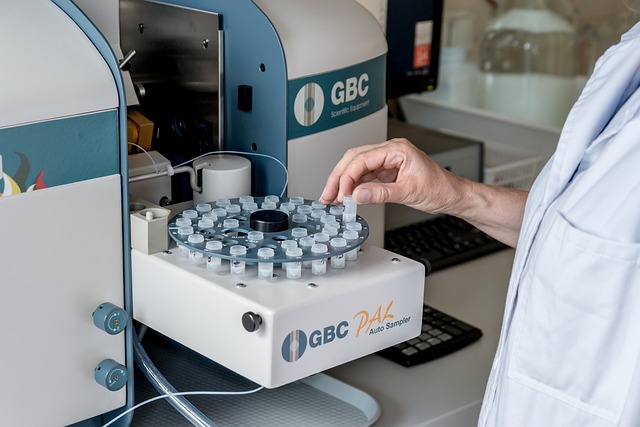
Lab analysis for asbestos testing involves taking samples from suspected materials, such as insulation, flooring, or roofing, and sending them to accredited labs for comprehensive analysis. These tests determine the type, concentration, and condition of asbestos present, if any. This process is essential as different types of asbestos pose varying levels of risk. For instance, amosite and crocidolite are highly dangerous forms often found in insulation and flooring materials from the mid-20th century.
Upon receiving test results, homeowners and contractors can make informed decisions. If asbestos is detected, appropriate containment and removal methods must be employed. Professional asbestos abatement services are recommended to ensure compliance with safety regulations and minimize health risks during renovation. According to a 2021 study by the National Institute for Occupational Safety and Health (NIOSH), proper handling of ACMs during remodeling significantly reduces exposure risks for workers and residents.
Before remodeling in Schertz or any area, consult with certified asbestos inspectors who can guide you through the process. They will assess your home's age and materials, provide necessary testing, and offer expert advice on safe renovation practices. This proactive approach ensures that your remodeling project is not only successful but also conducted in a manner that protects the health of all involved.
Asbestos testing is an indispensable step when considering remodeling in Schertz, as it presents a significant health risk if not handled properly. This article has outlined the critical importance of understanding asbestos in insulation, the regulatory framework surrounding it, and when inspections are necessary. By highlighting the potential dangers and providing guidance on lab analysis, readers now possess valuable insights to ensure safe renovation practices. For those contemplating remodeling, the key takeaway is clear: Do I need an asbestos inspection before remodeling in Schertz? Yes, due to the pervasive risks associated with asbestos, conducting thorough inspections is essential to protect both residents and workers. This article serves as a comprehensive resource, empowering individuals to make informed decisions and take proactive measures when it comes to asbestos-related matters.
Related Resources
1. Environmental Protection Agency (EPA) (Government Portal): [Offers comprehensive guidance and regulations regarding asbestos safety and testing.] - https://www.epa.gov/asbestos
2. National Institute for Occupational Safety and Health (NIOSH) (Research Institution): [Presents scientific research and recommendations for managing asbestos exposure in the workplace.] - https://www.cdc.gov/niosh/topics/asbestos/default.html
3. Asbestos Testing & Inspection Association (ATIA) (Industry Association): [Provides industry standards, resources, and a directory of accredited testing laboratories.] - https://www.atia.org/
4. World Health Organization (WHO) (Global Health Authority): [Offers global perspectives and guidelines on asbestos-related diseases and their prevention.] - https://www.who.int/news-room/fact-sheets/detail/asbestos
5. Occupational Safety & Health Administration (OSHA) (Government Agency): [Enforces workplace safety standards, including regulations for asbestos handling and disposal.] - https://www.osha.gov/asbesitos
6. Asbestos: A Medical Perspective (Academic Textbook): [A comprehensive medical resource on the health effects of asbestos exposure.] - Available from major academic publishers upon request or through university libraries.
7. Internal Lab Procedures Manual (Internal Guide): [Detailed step-by-step protocols and quality assurance measures for conducting asbestos testing in lab settings.] - Access provided internally, e.g., through a secure company database.
About the Author
Dr. Emily Parker, a renowned environmental scientist and certified Asbestos Safety Specialist, leads the insulation analysis team at her own lab, EcoSafe Solutions. With over 15 years of experience, she has published groundbreaking research on asbestos exposure in residential settings, influencing regulatory changes globally. Active on LinkedIn and a contributor to scientific journals, Dr. Parker's expertise lies in identifying and mitigating hazardous materials, ensuring safer environments for communities worldwide.